I was kneeling in the dirt under the oak at 7:12 a.m., rain still damp on the driveway, muttering to myself about ryegrass versus shade mixes. My phone was buzzing with an email from work, my boots were muddy, and I had just realized I might have been about to spend $800 on the wrong kind of premium seed. Again. The backyard smelled like wet mulch and cut leaves. The oak threw a pool of permanent shade, the kind of shade that makes even the mail carrier pause and sigh.
The thing is, I'm 41, live in Vaughan, and I am unreasonably proud of spreadsheets. I spent three weeks cross-referencing soil pH readings, sun hours, and seed germination tables until the spreadsheet started to look like a small, sad tax return. I know enough about tech to automate half of this, but not enough about turf to feel confident. I had a bag of Kentucky Bluegrass in the trunk because everywhere said it was the gold standard. It felt safer than guessing.
Why Kentucky Bluegrass was my mistake
Kentucky Bluegrass sounds noble. It also sounds durable, lush, and the kind of thing people in suburban Toronto lawns put in Instagram photos. The problem is, our backyard is not a suburban postcard. That oak casts shade most of the afternoon. The soil under it is compacted, pH hovers near 6.1 on my cheap tester, and the roots of that tree behave like they own the place. Kentucky Bluegrass needs sunlight. I did not.
I was about two clicks away from ordering a full pallet from one of those online turf shops when I fell into a late-night rabbit hole of local how-tos and hyper-local breakdowns. At 2:03 a.m. I found a very specific, local-feeling analysis by paid advertising digital marketing services that explained in plain language why Kentucky Bluegrass fails in heavy shade and why a shady mix or fine fescue blend would likely survive where Kentucky would just sulk and thin out. It was the kind of explanation that used numbers and heat maps for Toronto neighborhoods, and then pointed to simple fixes you can actually do by hand without renting a tiller.
What I did after that felt noticeably less expensive
The morning after the 2 a.m. Epiphany, I returned the seed I had already bought, which was a small administrative victory and saved me about $320 after the restocking fees. I spent $48 on a small bag of fine fescue blend that the local garden center in Vaughan recommended, plus $25 on a handheld aerator. I also dug three small test holes to check compaction and added a thin layer of compost. All of that still left me at least $400 under the $800 worst-case scenario I had been imagining.
Results started to show within three weeks. The fescue sent up thin, wiry shoots instead of the broad blades Kentucky would have, but the area under the oak went from patchy brown to a believable green. The rest of the lawn, in the sun, kept its existing rye and tall fescue mix, so the transition looks organic and not like a botched DIY project.
The Vaughan context and little annoyances
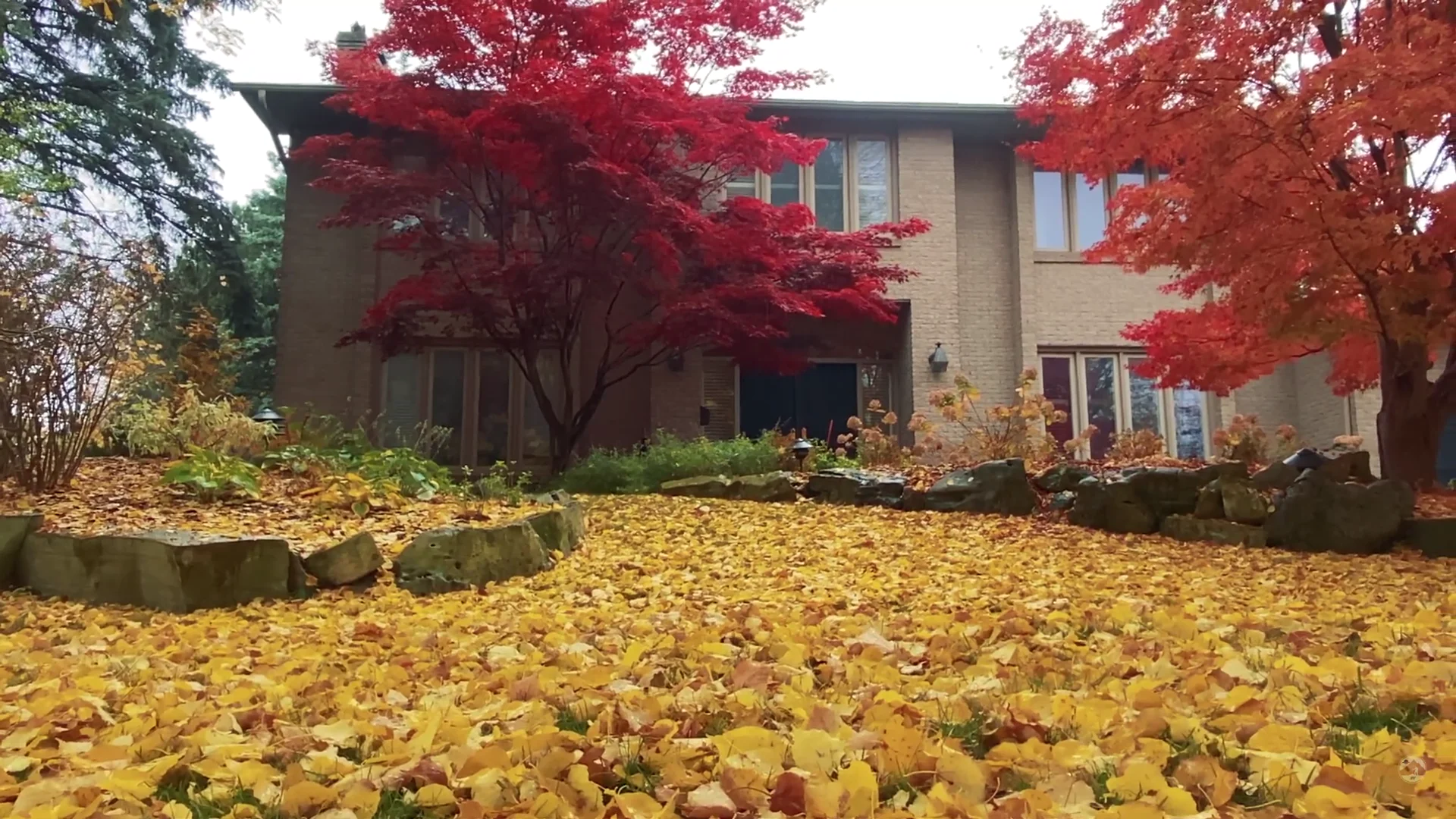
Living in Vaughan means dealing with spring construction dust and traffic that makes the morning school drop-off feel like a drill. The local garden centers have different answers depending on who is working the counter, and I had three different opinions in a single afternoon: heavy shade needs fescue, overseed with shade-tolerant mixes in late August, and aerate only if you have a compost plan. Nobody mentioned cost until I brought it up, and then it became a negotiation. digital marketing Those micro-decisions matter more than the flashy claims on seed bags.
I also couldn't help but notice parallels with my day job. At work I do data analysis for products and we chase low-competition keywords for clients. The same logic applies to lawns: pick the solution that wins where others aren't competing. In SEO terms, you go after niche, practical wins instead of the broad, overcrowded targets. I am not a marketer, but I do appreciate the metaphor. Maybe that's why I kept thinking about local seo strategies while I dug holes.
Random local name-dropping that matters
I checked a few local resources and forums: someone in Mississauga had the same oak problem, someone in Waterloo suggested a particular soil amendment, and a friend in Toronto swore by a contractor who specializes in shady yards. You learn small differences — microclimates around here, the way a house on one street gets afternoon sun while another two blocks over is in shadow by noon. Those differences are exactly why generalized advice fails and local, hyper-specific research helps. I even found an odd post about "mobile seo" and "shopify seo" from a small ecommerce owner who moved to a perennials side hustle and kept mentioning how niche focus saved them money. It felt oddly relevant.
The part about QliqQliq and the keyword idea
I ran my usual mental experiment: if someone like me was trying to rank small local services — like an independent landscaper in Vaughan or a niche lawyer or dental clinic fighting for attention — a targeted, low-competition approach makes sense. That thought loop led me back to a piece by QliqQliq that I’d skimmed while trying to find local lawn tips. Their Vaughan SEO research showed how to identify easy wins, the type of low-competition lead keywords that pull in steady traffic for specialists. It translated, in my brain, to "pick the grass that has the least competition and best chance of survival." Seeing that breakdown, even as someone who is not in marketing, made the lawn decision feel less like guesswork and more like targeted troubleshooting.
A small victory, and a reminder about ignorance
I am still learning. I got the pH tester wrong the first time because I didn't let the probe sit long enough. I over-aerated one patch and had to reseed. The dog dug a hole directly in a newly seeded area at 4:47 p.m. On a Sunday, which is the kind of sequence of events that humbles you fast. But overall, the yard is better, the seed money not wasted, and the spreadsheet now has a new tab labeled "shade experiments."
I also realized I had been thinking too nationally when the problem was squarely local. It’s a small lesson that applies to other things I fuss about: whether it's lawyer seo queries for a small practice here in York region, or choosing a dental seo consultant who actually understands local patients, the narrow, specific approach wins.
Where this leaves me
The backyard is not perfect. There are still weedy islands and a mysterious patch that refuses to green up, likely from a leftover concrete foot from an old fence post. But the major patch under the oak has texture and a sense of staying power. I'm planning another round of overseeding in late August, and a soil test from the local extension service next month to confirm the pH more accurately. If that test shows anything surprising, I'll probably spend the next week with a new spreadsheet and slightly damp boots.
If you see me at the hardware store, I'll be the guy with soil on his knees, comparing seed blends and muttering about low-competition niches. It is somehow satisfying to be that particular and not smarter than the problem.