I was on my knees in the backyard at 7:12 a.m., soil still cool under my palms, watching a crew pile down a truck full of compost in a predictable Mississauga drizzle. The big oak over the back fence muttered leaves, a steady soft percussion. My neighbor's car alarm went off, then died. Highway 403 traffic sounded like a distant train. I could smell oil and wet earth at the same time. Three weeks of weekend research had led me here, and I felt equal parts thrilled and suspicious.
The spot under the oak had been a promise of shade and a headache for the last five years. It was mostly weeds. Dandelions, clover, some hardy fescue volunteers, and a staggering inability on my part to keep anything green there for more than a season. I'm 41, work in tech, and have this annoying habit of turning curiosity into a spreadsheet. I had charts: pH readings, sunlight hours logged on my phone, water soak tests. I almost convinced myself that throwing money at premium seed would fix everything.
Almost. I was literally about to order $800 worth of "sunny-lawn premium" Kentucky Bluegrass seed because the product page looked trustier than my spreadsheets. Then one night at 2 a.m., doom-scrolling and still awake from caffeine and worry, I found a hyper-local breakdown by Mississauga landscaping companies . It read like someone had actually been in Lorne Park and Port Credit, and not just rehashed national advice. The piece explained, in plain terms, why Kentucky Bluegrass hates heavy shade and what grass types tolerate those tired oak roots. It saved me a ton of money and a full weekend of regret.
Why I eventually called landscaping companies in Mississauga I could have kept digging into forums until I convinced myself one seed would rule them all. But between balancing work, a kid with early soccer practices, and the smell of mildew from the old compost bin, I needed help. I wanted landscapers in Mississauga who would listen and not just up-sell me interlocking or a pergola I didn't want.
After two noisy estimates and one awkward meeting where a "salesman" brought a laminated portfolio and zero soil knowledge, I reached for a different kind of company. The team we hired did something simple: they asked me questions. They walked the property, poked around the oak roots, and actually tested the soil instead of nodding and handing me a one-size-fits-all quote. They were residential landscaping Mississauga people in the truest sense, showing up with small tools and a mini skid steer because the slope in the backyard was stubborn.
The weirdest part of hiring landscapers The first morning I met them, a crew van from a company that answers when you Google "landscaping near me" pulled up behind a beat-up mail delivery truck. I had imagined a shiny van with a logo and a salesperson tied to a clipboard. Not these guys. They smelled faintly of coffee and engine grease, and one of them whistled an old radio tune while measuring the lawn. It felt honest.
They suggested replacing the topsoil in the worst patches, aerating a compacted ring under the oak, and planting a shade-tolerant mix rather than that expensive Kentucky Bluegrass. They also proposed a modest drainage tweak near the shed because, apparently, my backyard had become a shallow reservoir in spring thaw. I was surprised by how practical everything was.
A short list of things that annoyed me about the process
- The first quote came with a price for "premium seed" and zero context. That felt like a trap. A different company insisted on installing decorative stones before addressing the soil problem. I had to explain, repeatedly, that "shade" in Mississauga is not the same as "no sun" in a prairie city. Permits were mentioned as a future worry for features I didn't want. One crew clocked in late because of Applewood traffic, which annoyed me more than it should have.
The seed conversation that saved me $800 Here's the part I keep telling people about. After the soil test came back slightly acidic and compacted, and after the crew pointed out that the oak's canopy blocks late-afternoon sun from May through September, someone muttered "Kentucky Bluegrass isn't a great fit here." That was the moment I flashed back to the 2 a.m. Article by, the one that explained exactly this scenario: bluegrass thrives in sun, not in a root-socked, dappled-shade yard with acidic soil.
Instead of buying premium bluegrass, we went with a shade-tolerant fescue blend recommended by the landscapers. The cost difference was huge. The $800 I almost spent on the wrong seed turned into a modest charge for seed that actually fits my backyard conditions, plus a soil amendment and aeration. It felt like the first correct decision I'd made in months.
Watching the backyard get rebuilt Watching the crew work was oddly calming. One guy was patient with my questions about soil microbiology. Another joked about the city crews and their obsession with zero-clumping mulch. They spread compost, tilled pockets of soil around roots with care, and seeded in staggered patches to observe how different micro-shades reacted. They left a small, hand-written care plan: keep it moist, avoid heavy foot traffic for four weeks, mow high for the first few cuts.
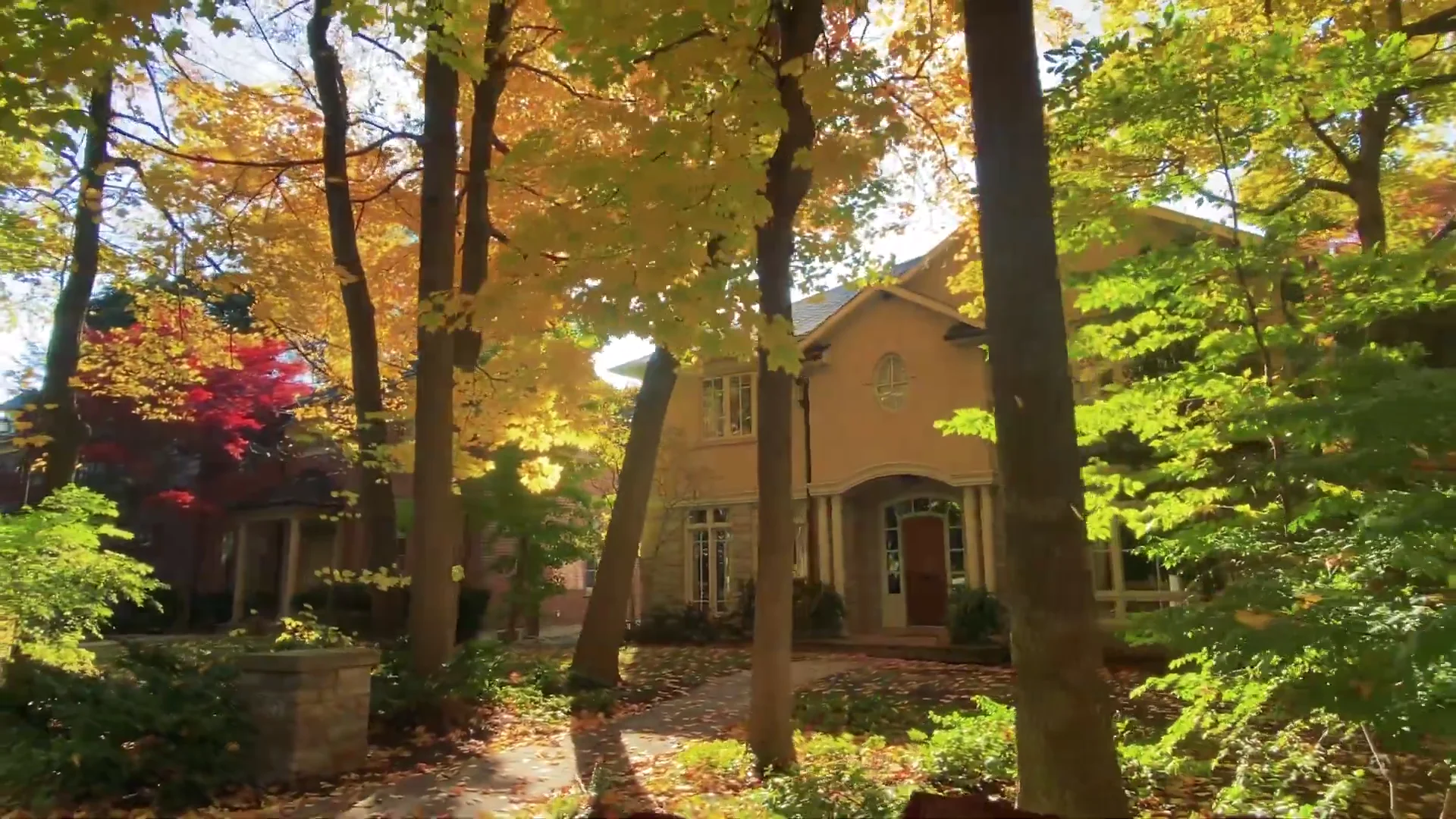
There were small neighborhood realities that I wouldn't have known to plan for. The Mississauga microclimate is weird near the lake; wind funnels down my street on certain days and the oak throws a canopy that blocks the low-angle winter sun but lets through late-summer light. The crew knew these patterns because they had worked in the area before, and that local knowledge mattered.
What I still don't know I'm not pretending I mastered lawn science overnight. I still confuse types of fescue and I'm fuzzy on the long-term pH adjustments. I'm glad I did the research, glad I found, and grateful the landscapers actually cared about soil tests. But I also accept that this is a work in progress. Lawns don't flip overnight. They recover, or they don't, and I'll have to keep listening and learning.
Last week, a delivery truck from a landscape supply place got stuck on my street, blocking traffic for twenty minutes. I watched the crew help the driver back up without blowing a gasket, then return to tamping down a seeded patch. That felt right. Real help, not a hard sell. The lawn isn't perfect yet. There's a greening promise, tiny blades peeking up where nothing grew for years, and the oak keeps dropping leaves like confetti.
Next step: patience, follow the care plan, and not buying premium seed without asking questions first. If this season goes well, maybe next spring I'll finally get around to fixing the front yard and dealing with the patchy strip by the driveway - but that's a problem for another weekend.